Business

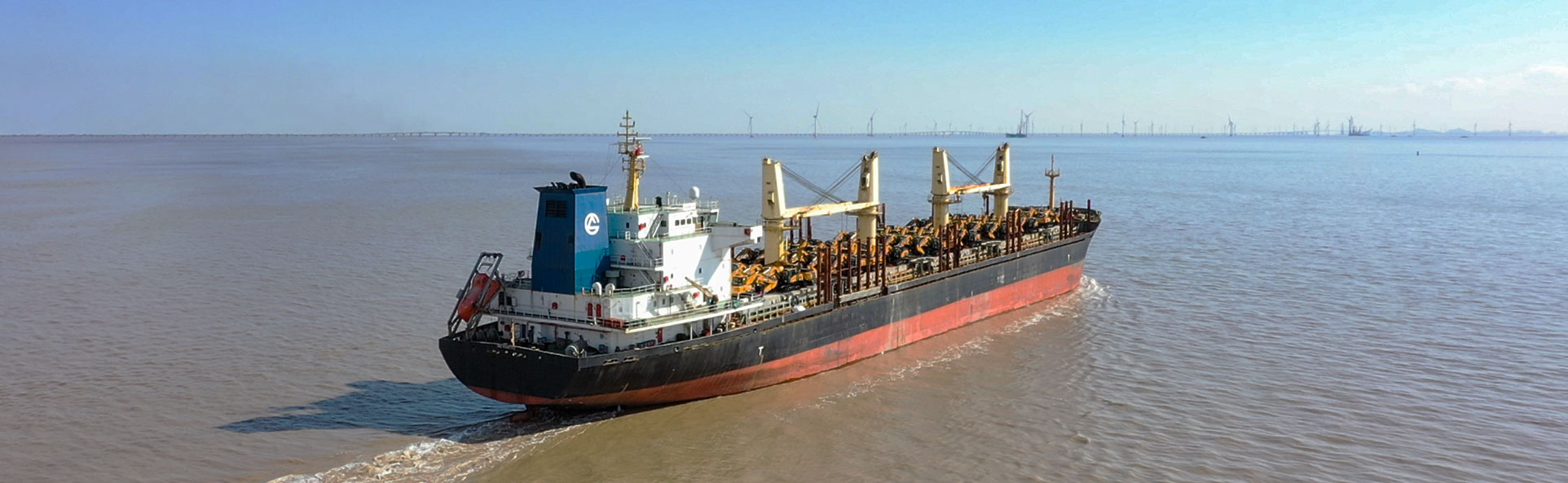
Based on customer needs, the operation relies on the Far East and covers various bulk cargo transportation services between more than 1600 ports around the world, including routes to Japan, South Korea, Southeast Asia, India, the Middle East, Africa, Europe, and the Americas. The main cargo categories include minerals, coal, fertilizers, ores, and feed.
KEY WORK POINTS:
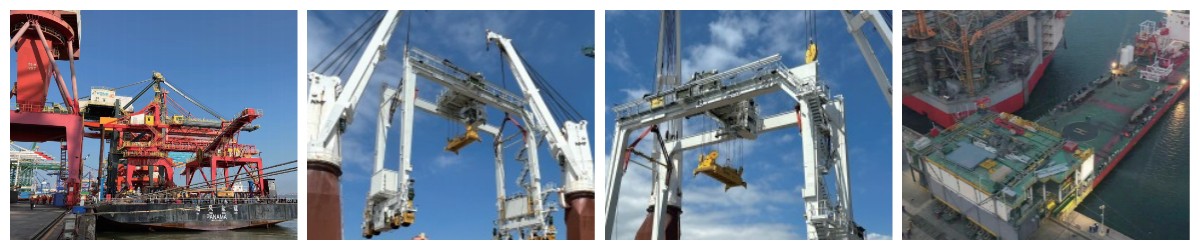
◎Key points for tail roll on/off loading and unloading
1. Attention should be paid to the elevation of the dock, tides, and the deck should be level with the dock surface during the roll‑on/roll‑off process, so it is important to know the ship's ballast capacity.
2. Roll‑on/roll‑off is usually carried out during high tide, as the stern of the ship sinks and the bow rises during the loading process. Therefore, in the first half of the journey, the ballast water is basically transferred from the tail to the front, and then as the goods move towards the bow, the ballast water often needs to be transferred from the bow to the stern. The stronger the adjustment ability, the faster the roll‑on/roll‑off speed. A ballast water adjustment plan will be made before loading.
3. The elements of roll off are the same as roll on, but the order is exactly the opposite.
◎Key points for rolling cargo onto and off the ship
1. Attention should be paid to the elevation of the dock, tides, and the deck should be level with the dock surface during the roll on/roll off process, so it is important to know the ship's ballast capacity.
2. The roll‑on/roll‑off crane needs to be connected to the track bridge at the junction of the ship and the dock to ensure the front and rear stability of the ship. The stability requirements are relatively high. If the goods are loaded from the port side, the ballast water needs to be transferred from the left to the right during the initial stage of loading. After the goods pass through the centerline of the ship, they need to be transferred from the right to the left. The stronger the adjustment ability, the faster the roll‑on/roll‑off speed can be. A ballast water adjustment plan will be made before loading.
3. The elements of roll off are the same as roll on, but the order is exactly the opposite.
◎Key points for cargo lifting onboard and discharging
Lifting cargo onboard is relatively simple. There is no need to consider tides or quay height. Adjust the ballast water in advance based on the cargo's weight and placement position, and make minor adjustments after the cargo is in place.